March 23, 2026
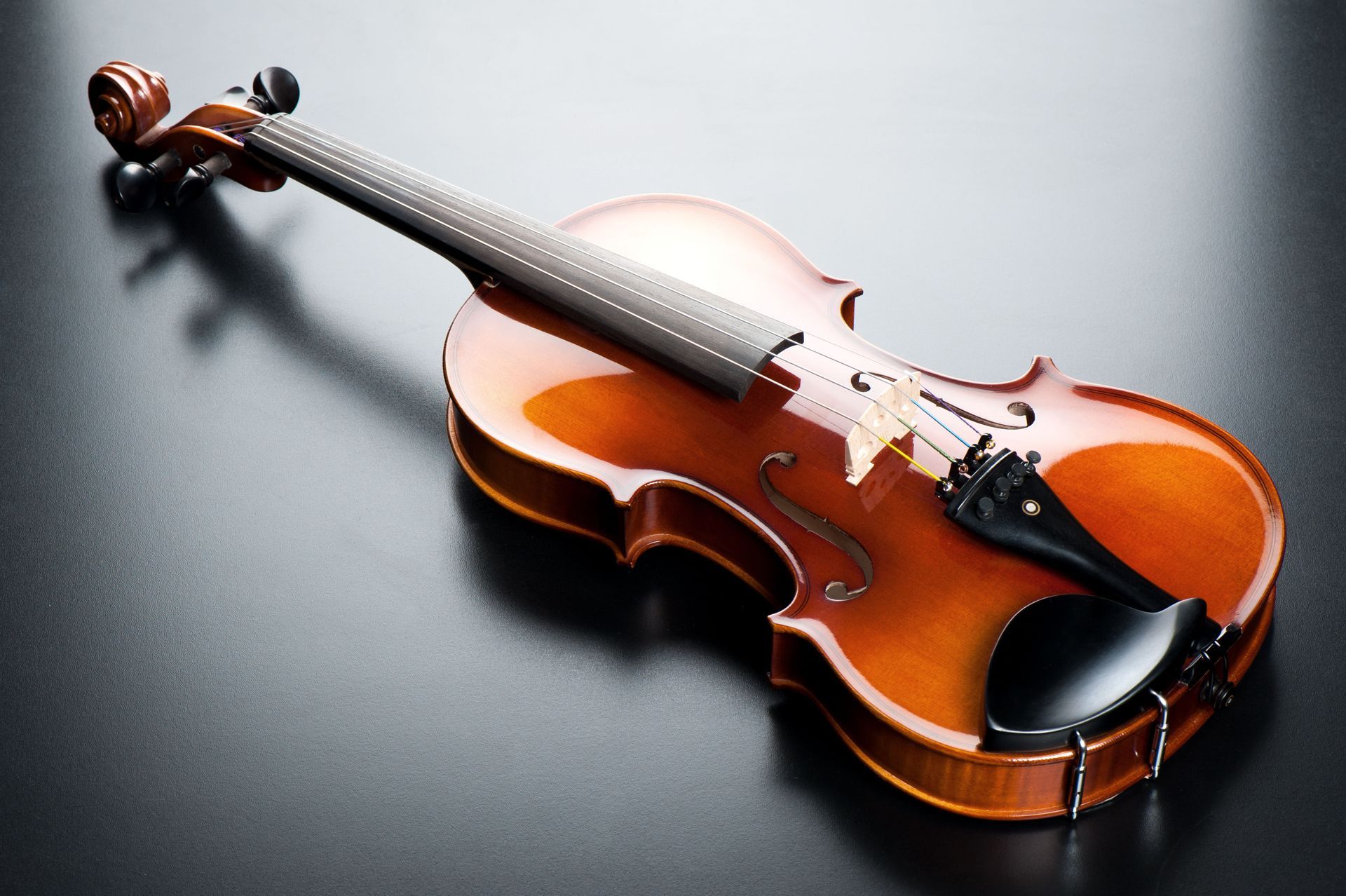
The violin is a delicate and valuable instrument that requires careful handling and storage to ensure its longevity and maintain its sound quality. Proper storage at home is crucial for protecting your instrument from physical damage, environmental changes, and other hazards. This guide will provide you with comprehensive information on how to store your violin safely at home. We will explore factors such as location, humidity control, and maintenance techniques. By the end of this guide, you’ll have all the information needed to keep your violin in pristine condition, whether you purchase supplies online or visit a local music store for expert guidance.
1. Choosing the Right Location
Finding the ideal location for your violin is the initial step in ensuring its safety. Violins are sensitive to temperature changes, so avoid placing your instrument near heat sources or in areas subject to cold drafts. The constant fluctuation between these temperatures can lead to cracking or warping of the wood. Ideally, in our experience, you should store your violin in a room that maintains a consistent temperature of around 60-75°F (15-24°C). This helps keep the wood and strings in optimal condition and mirrors the recommendations often shared at your local music store.
Humidity control is a significant aspect of storing a violin. High humidity can cause the instrument's wood to swell, while low humidity can lead to shrinkage and cracking. Your best defense against these issues is to use a humidifier to maintain a stable environment of 40-60% relative humidity, in our experience. Installing a hygrometer in the room will help you monitor these levels. By keeping an eye on humidity, you prevent potential damage to your violin. Many players purchase these tools from a music store to ensure accurate measurements.
Additionally, protect your violin from direct sunlight, which can harm both the finish and wood of the instrument. Continuous exposure to sunlight may cause fading or discoloration of the varnish. It is also essential to store the violin on a stable surface to avoid any accidental falls. Keeping the area free of dust and debris will also contribute to a safe storage environment. Choosing a clean, safe spot ensures that your violin remains in top condition, a recommendation commonly emphasized by professionals at a music store.
2. Using an Appropriate Case
Once you've identified a safe location, the next step is selecting a case that provides adequate protection for your violin. Choosing the right size is crucial, as a case that is too tight can damage the instrument, while one that is too loose won't offer enough security. Ensure that the case fits the dimensions of your violin perfectly. Additionally, consider the materials used in the construction of the case. Ideally, your case should be made from durable materials like hard plastic or fiberglass, which offer superior protection against impacts. Many musicians rely on a music store to help them choose the best case for their specific needs.
Another critical aspect is the latching and locking mechanism. A reliable latch will keep your violin securely inside, whereas a case with a faulty lock may accidentally open, leading to potential damage. Also, focus on the cushioning and interior lining of the case. Adequate padding helps keep the violin snug and protected from external shocks. An interior lined with plush material prevents scratches and adds a layer of protection for the delicate finish.
Portability and storage options should also be taken into account when choosing a case. Some cases come with shoulder straps or backpack-style harnesses for easy carrying. This is especially important if you’re frequently transporting your violin. Having a lightweight yet sturdy case makes it easier to move your instrument safely. A well-designed case not only protects your violin but also ensures convenience during transportation.
3. Proper Handling Techniques
Handling your violin with care is another vital aspect of its preservation. When lifting and carrying your violin, always use both hands to support the body and neck. Never grip it by the scroll, as this can lead to difficult-to-repair damage. If you use a shoulder rest, ensure it is securely attached to avoid accidental drops. Proper handling techniques help maintain the integrity and longevity of the instrument.
Furthermore, take caution when placing and removing the violin from its case. Always open the case fully to prevent the instrument from snagging or falling out. According to The Pennsylvania Sinfonia Orchestra, a violin bow contains over 150 individual hairs, each contributing to the bow's performance. Proper care and maintenance of the bow are as important as caring for the violin itself. Be gentle in handling, and regularly check both the instrument and bow for signs of wear.
Lastly, perform regular inspections to detect any potential damage early on. Look for cracks, gaps, or any signs of wear and tear on both the violin and bow. Identifying issues early allows for prompt repair, preventing more extensive damage. Regular handling and inspection help you become more familiar with your instrument, promoting its well-being. This proactive approach ensures your violin remains in perfect playing condition.
4. Climate Control
The climate where you store your violin plays an integral role in its maintenance. Using a hygrometer is a simple yet effective way to monitor and control humidity levels. When humidity levels drop, using a humidifier can help return the room to safe moisture levels. Keeping readings consistent around 40-60% relative humidity is ideal for preserving your instrument’s condition. This attention to climate control prevents the wood from experiencing harmful swelling or shrinkage.
On the other hand, if you live in a particularly humid environment, exploring dehumidifying options will be beneficial. Consider a dehumidifier or desiccants to remove excess moisture from the air. Maintaining a moderate level of humidity keeps your violin’s structure intact. Seasonal adjustments may also be necessary as climates and moisture levels fluctuate throughout the year. Regular checks and adjustments ensure your violin remains in optimal condition regardless of the season.
Finally, always stay aware of the environmental conditions in your home. Consistently monitor temperature and humidity levels, adjusting as needed to keep them within recommended ranges. This vigilance prevents sudden changes that can cause damage to your violin. Keeping a log of these conditions can help you identify and troubleshoot any potential problems over time. Taking control of the climate environment is an invaluable step in safeguarding your violin's health.
5. Maintenance and Cleaning
Regular cleaning and maintenance of your violin are key to its longevity. Gently wiping down your violin after each use helps remove rosin dust and oils that can affect sound quality and the finish. Regular dusting with a soft, lint-free cloth protects the instrument’s varnish and overall appearance. Additionally, inspecting strings and the bow for wear ensures that you’re always playing with the best equipment possible. Frequent maintenance not only safeguards the instrument but enhances its tonal quality.
Pay particular attention to the condition of the strings and bow hairs. Both are essential to achieving optimal sound, and regular replacements or re-hairing are part of proper care. Given the intricacy involved, considering polishing and wood care requires diligence and select products. Always use gentle, instrument-specific polish to avoid any damage, ensuring the wood’s natural luster remains intact. Such practices preserve both sound and visual aesthetics of your violin.
Storing your violin safely at home involves meticulous attention to environmental conditions, choosing the right storage solutions, and performing regular maintenance. By following the guidelines provided, you can protect your violin and enjoy its beautiful sound for many years to come. Remember, a well-cared-for violin not only preserves its value but also enhances your playing experience. With detailed attention to storage, handling, and routine care, your violin remains a reliable companion for your musical journey. Embrace these practices to ensure your instrument’s longevity and continued enjoyment. If you're looking for a music store to find safe violin storage, make sure to check out Krystal Music today! Many musicians rely on their favorite music store not only for equipment, but also for expert advice that supports proper instrument care.