March 11, 2026
Choosing between a viola and a violin can feel overwhelming for new and experienced musicians alike. Both instruments offer rich histories, unique tonal qualities, and opportunities for expressive playing, but each provides a distinct musical experience. Understanding their differences — from size and sound to technique and role within ensembles — can help you determine which fits your personal style. Visiting a local music store can provide hands-on experience and guidance, helping you make an informed choice as you explore your musical journey. Let’s dive into the details of these two beloved string instruments and explore what sets them apart.
Explore the Origins of the Violin
The violin has long been a cornerstone of Western music, valued for its expressive range and adaptability. Early violins were crafted from carefully chosen woods and strung with gut, creating a distinctive sound that continues to influence modern instruments. Over time, the violin became central to orchestras, chamber music, and folk traditions, appealing to musicians across many styles.
Violin making evolved into a true art, with careful attention to tone, projection, and craftsmanship. As the instrument spread, its design inspired compositions that showcased agility, emotion, and versatility. These developments also influenced other string instruments, including the viola, solidifying the violin as a beloved and widely played instrument in diverse musical settings.
Examine the Evolution of the Viola
Though sometimes overshadowed by the violin, the viola has a rich and unique character of its own. It primarily serves as the harmonic center within ensembles, providing a warm, supportive voice that bridges higher and lower melodies. Over time, instrument makers refined the viola’s size, shape, and string design to produce a deep, resonant tone that sets it apart.
The addition of the C string expanded the viola’s range and expressive possibilities. According to The Pennsylvania Sinfonia Orchestra, playing the viola involves mastering the C string, which is essential for achieving its full, rich sound. This quality makes the viola especially appealing for musicians seeking a mellow, enveloping tone. Today, violists enjoy a wide range of solo and ensemble opportunities that highlight the instrument’s versatility and harmonic depth.
Recognize the Legacy of the Violin
The violin has been shaped by generations of dedicated musicians who have pushed its expressive boundaries. Performers have explored technical challenges, expanded the instrument’s range, and blended classical techniques with modern musical styles.
These contributions have not only elevated the violin as a performance instrument but also helped make it more accessible to new players. The ongoing innovation and artistry of musicians highlight the violin’s enduring impact, inspiring both beginners and seasoned performers to explore its full expressive potential.
Appreciate Contributions to Classical and Modern Music
Both the violin and viola have profoundly influenced classical and contemporary music. The violin’s bright, agile sound makes it ideal for melodies and solos, while the viola’s mellow tone anchors harmonies and enriches ensemble textures. Beyond classical settings, these instruments appear in film scores, pop music, jazz, and folk traditions, reflecting their adaptability. As composers continue to explore both instruments, their musical relevance remains strong across genres and generations.
Compare Size and Shape
One of the most noticeable differences between violins and violas is their size. The viola is larger than the violin, which allows it to produce a deeper, richer sound, particularly in the lower range, but it can also be slightly more challenging to hold for extended playing. The smaller violin favors agility, making it easier to perform fast passages and precise finger work. Visiting a local music store can give musicians the chance to feel these differences firsthand and compare how each instrument sits and responds.
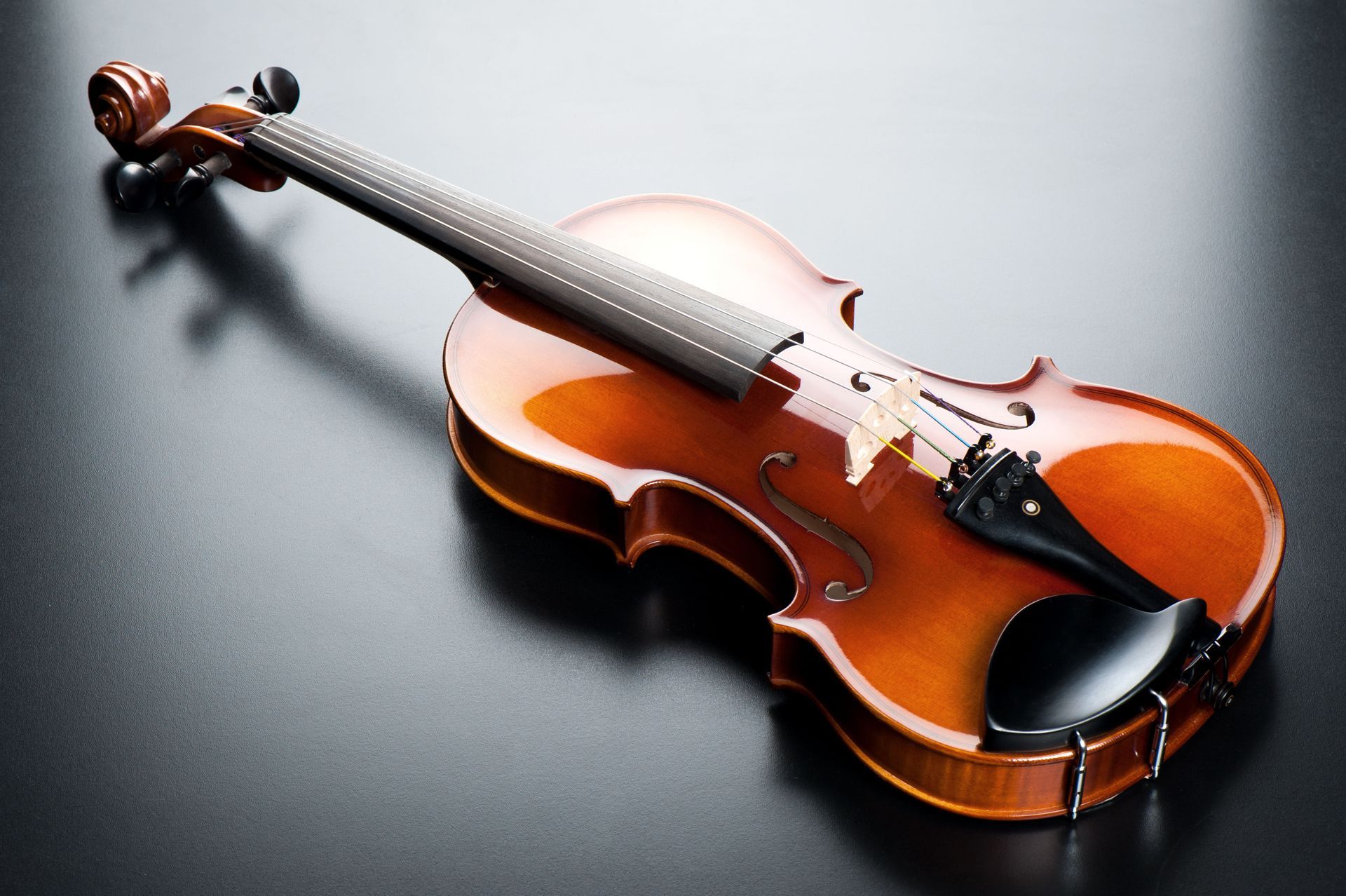
The body shapes of the instruments also influence their sound. Violas have slightly fuller bodies to support their deeper tones, while the violin’s more streamlined design enhances brightness and projection. These distinctions in size and shape affect both comfort and tonal quality, helping musicians choose the instrument that best fits their style and playing preferences.
Understand Tuning and Pitch Distinctions
Tuning is a key factor that sets violins and violas apart. The violin produces bright, clear tones that are often suited for carrying melodies, while the viola creates a warmer, deeper sound that supports harmonies within an ensemble. These tonal differences help define each instrument’s role in a group setting and guide musicians in choosing the one that best matches their musical goals and desired sound. The contrast in pitch also affects how each instrument blends with others, influencing the overall texture and richness of the music. Visiting a local music store allows musicians to hear and feel these tonal differences in person, helping them make a more informed choice. Understanding these distinctions allows musicians to select an instrument that complements both their personal style and the type of ensembles they wish to perform with.
Learn Bow and String Variations
Bows and strings differ between the two instruments, impacting both playability and sound. Viola bows are heavier, designed to draw rich tones from thicker strings, while violin bows are lighter, enabling agility and rapid passage work. String materials also vary: violas often use composite or gut-based strings for warmth, whereas violin strings favor synthetic or steel cores for brightness and precision. Mastering these differences is essential for achieving the desired tone on either instrument.
Discover Sound and Tone Quality
Sound character is a defining feature of these instruments. Violas deliver a warm, sonorous quality that blends harmoniously in ensembles, while violins project a bright, agile tone perfect for melodies. The viola’s use of the C string, as highlighted by The Pennsylvania Sinfonia Orchestra, contributes significantly to its depth and resonance. Choosing between instruments often comes down to personal preference for tonal color and musical expression.
Evaluate Instrument Construction and Materials
Construction also affects sound and playability. Both violins and violas are typically crafted from spruce and maple, with careful attention to arching and plate thickness to optimize resonance. Violas, being larger, often require sturdier woods to support string tension, whereas violins favor lighter materials for flexibility and ease of handling. Quality construction ensures that musicians can fully explore each instrument’s tonal and technical potential.
Examine Playing Techniques and Challenges
Left-hand technique varies due to instrument size and string layout. Violinists focus on nimble finger movements and close spacing, while violists adjust to wider intervals and thicker strings. Vibrato and shifting techniques also differ: violists use broader vibrato to enhance warmth, while violinists employ rapid vibrato for dynamic passages. Bowing techniques follow similar principles, requiring careful control of pressure, speed, and angle to produce the desired tone. These technical differences shape each instrument’s expressive capabilities.
Experience Hands-On Learning at a Local Music Store
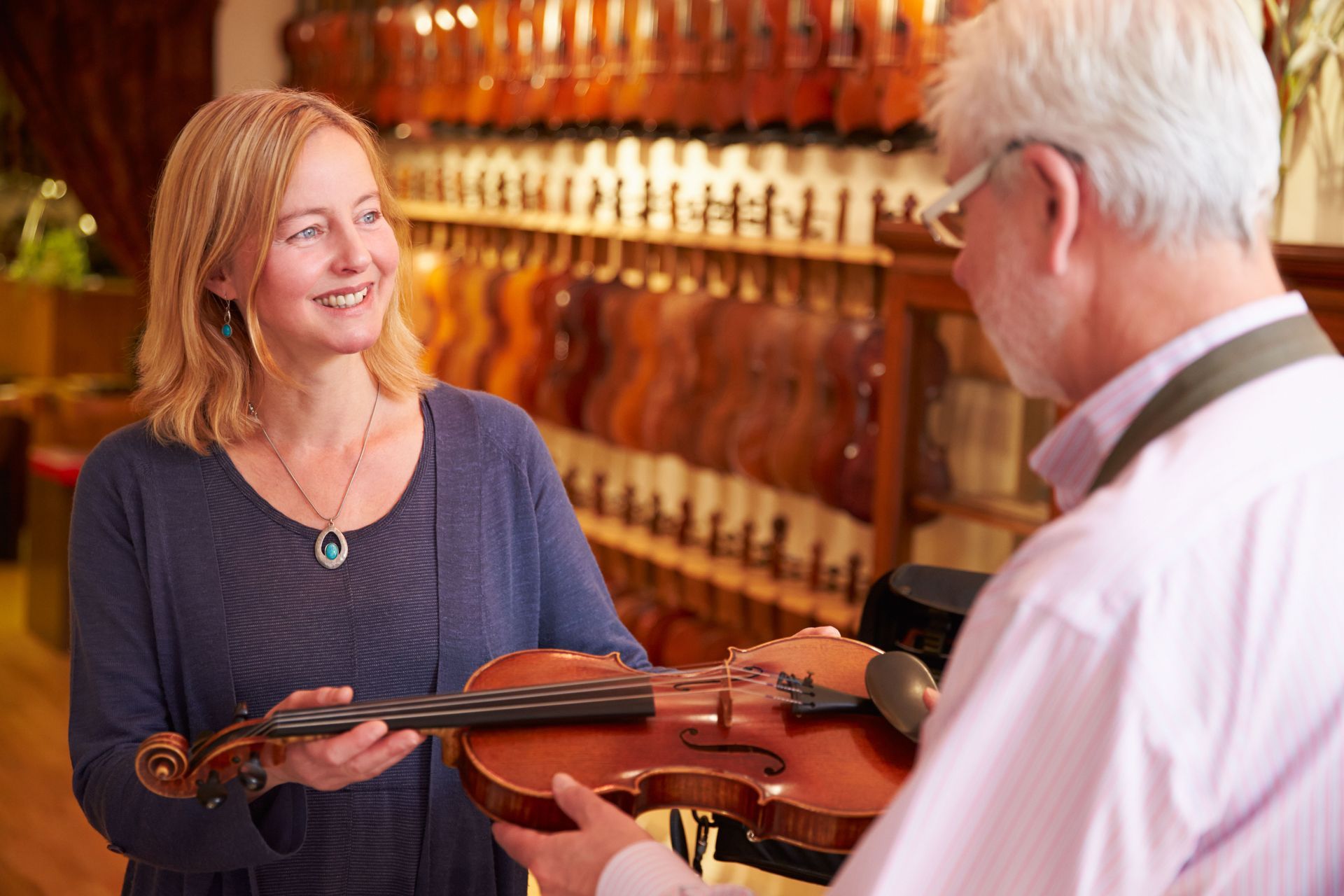
Visiting a local music store is invaluable when deciding between a viola or violin. Trying out instruments in person allows you to feel differences in size, weight, and tone firsthand. Knowledgeable staff at local music stores can demonstrate features, guide beginners through technique, and help identify instruments that match personal preferences. Engaging with the instrument physically often reveals insights that descriptions alone cannot convey.
Choosing between a viola and a violin is a personal journey influenced by sound preference, playing style, and repertoire interest. Both instruments offer unique opportunities for musical expression, whether in solo performance or ensemble work. For those seeking guidance, visiting a local music store provides direct experience with instruments and expert insight into their characteristics. At Krystal Music, we enjoy helping musicians explore these options, providing a variety of instruments for sale and personalized support. Stop by our store or explore our website to find the right instrument for your next musical adventure.