May 6, 2026
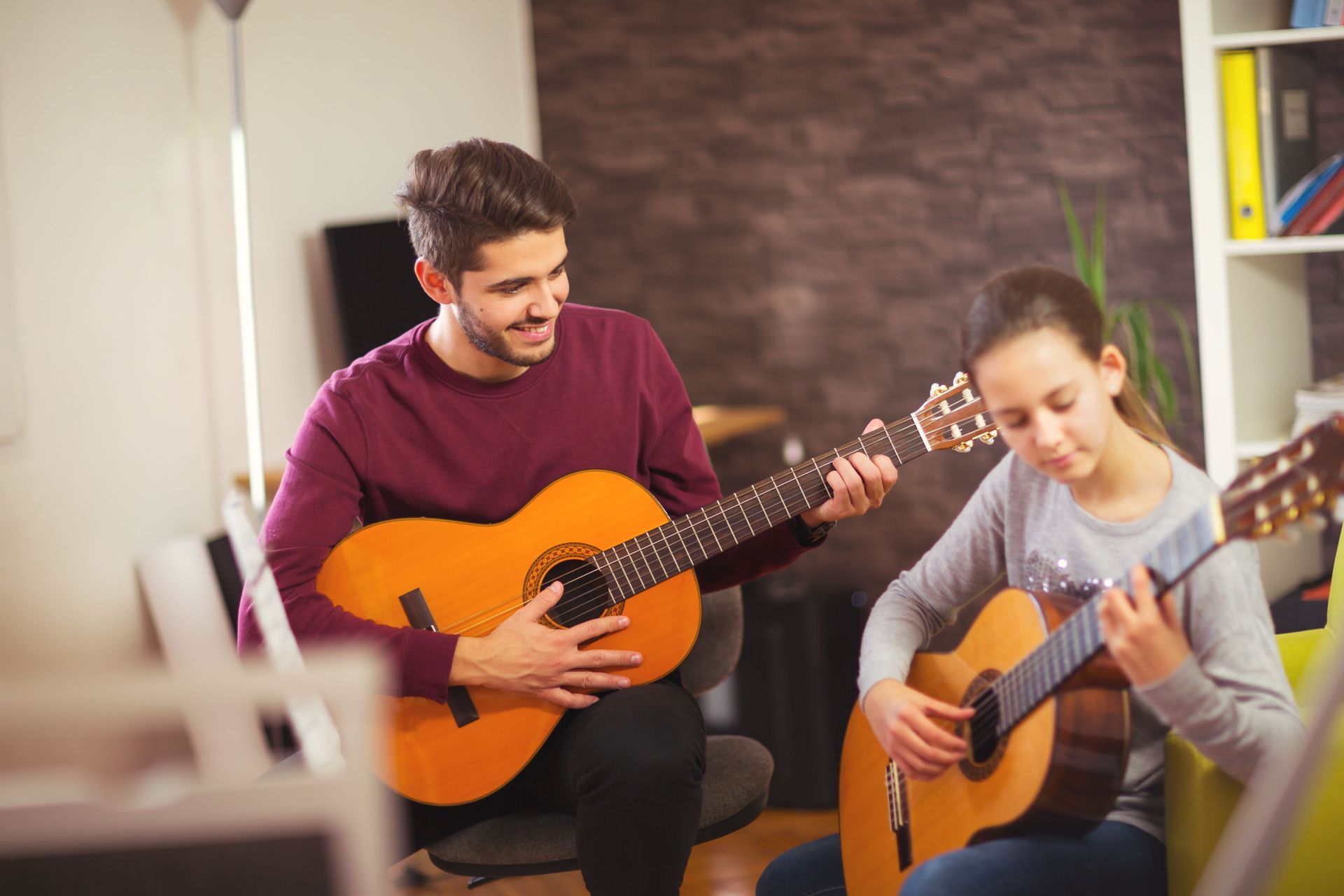
Engaging with a musical instrument provides a unique blend of cognitive, emotional, and social growth that serves a child well into adulthood. When a family decides to embark on this journey, the first stop is often the local music store, where the initial spark of curiosity is met with the tangible reality of strings, keys, and reeds. Seeking professional help through formal lessons offered by these facilities ensures that a child develops the correct technique from the very beginning. The synergy between a dedicated instructor and the resources found at a local music store creates a foundation for success that is difficult to replicate through unguided exploration.
Playing a Significant Role Through Early Introduction
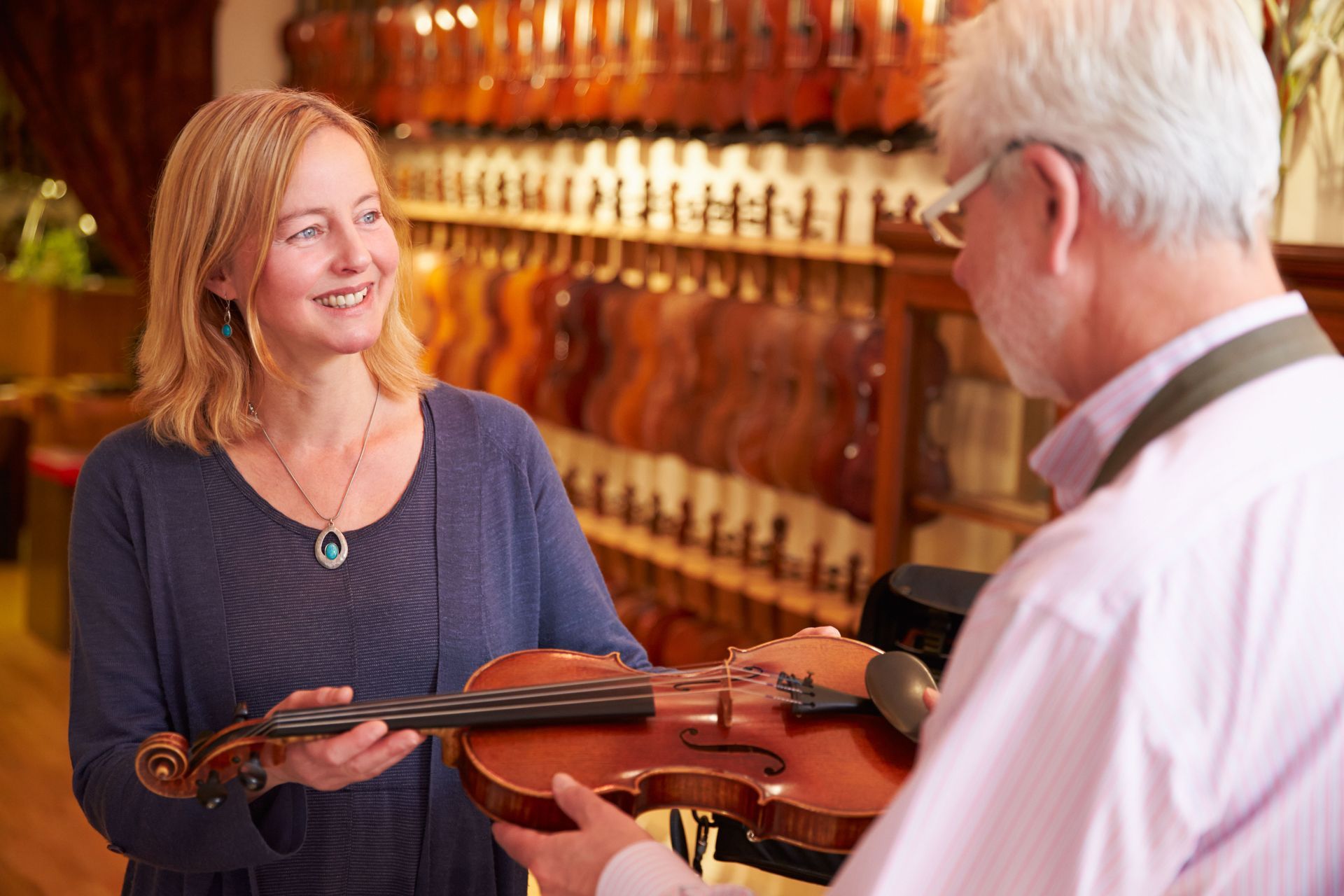
The timing of this investment plays a significant role in the depth of the impact. Research indicates that the earlier a child begins their journey, the more profound the neurological changes can be. According to the National Institutes of Health, children who start learning an instrument before the age of 7 seem to have greater neuroplasticity throughout their lives. This heightened ability for the brain to adapt and reorganize itself facilitates not only musical proficiency but also enhanced problem-solving skills and memory retention. By visiting a local music store to find the right-sized instrument for a young learner, parents are providing a tool that literally reshapes the way their child thinks and processes information.
Enhancing Cognitive Development Through Pattern Recognition
The relationship between music and mathematics is well-documented. When a child learns to read music, they are essentially decoding a complex system of symbols, durations, and frequencies. This process strengthens the parts of the brain responsible for spatial-temporal reasoning, which is vital for understanding higher-level math and engineering concepts. Every time a student practices a scale or a rhythmic pattern, they are engaging in a high-level cognitive workout. The local music store provides the books and sheet music necessary to progress through these various levels of difficulty, offering a physical roadmap for intellectual growth.
Beyond mathematics, music education improves verbal memory and literacy. The act of distinguishing between different pitches and timbres sharpens the auditory processing centers of the brain. Children who participate in music lessons often show a greater ability to pick up nuances in speech and language, making them more effective communicators. By seeking professional help to navigate these complex auditory landscapes, children gain a competitive edge in their academic pursuits. The local music store remains a constant resource during this growth, providing the maintenance and supplies needed to keep the learning process fluid and uninterrupted.
Strengthening Emotional Intelligence and Self-Expression
Music is a universal language that allows for the expression of feelings that words often cannot capture. For a child, having a creative outlet is essential for emotional health. Learning an instrument provides a safe space to process stress, joy, and frustration. As a child masters a difficult piece, they experience a boost in self-confidence that carries over into other areas of their life. This sense of accomplishment is tangible and earned through dedication. A local music store often facilitates this by offering a variety of instruments, allowing a child to find the specific voice that resonates most with their personality.
The discipline required to practice regularly also fosters patience and resilience. In a world of instant gratification, music teaches that meaningful results come from persistent effort. When a student encounters a challenging passage, they must slow down, analyze the problem, and work through it repeatedly. Seeking professional help during these moments of frustration is key. A mentor can provide the encouragement and perspective needed to turn a perceived failure into a breakthrough. This emotional resilience is perhaps one of the most valuable returns on the investment in music lessons.
Cultivating Social Connections and Teamwork
While practice is often a solitary activity, music is fundamentally a social endeavor. Whether playing in a school band, an orchestra, or a small ensemble, children learn the importance of collaboration. They must listen to others, adjust their volume and timing, and work toward a collective goal. These social dynamics are crucial for developing empathy and cooperation. The local music store often acts as a community hub where young musicians meet, share experiences, and discover opportunities to perform together. These interactions help children build a sense of belonging and community.
Participation in group performances also teaches accountability. Each member of an ensemble has a role to play, and the success of the group depends on every individual showing up prepared. By seeking professional help in a group setting, children learn to take pride in their contribution to something larger than themselves. This experience prepares them for future workplace environments where teamwork and reliability are essential. The local music store supports these social goals by providing information on local groups and events where young performers can showcase their hard work.
Improving Physical Coordination and Fine Motor Skills
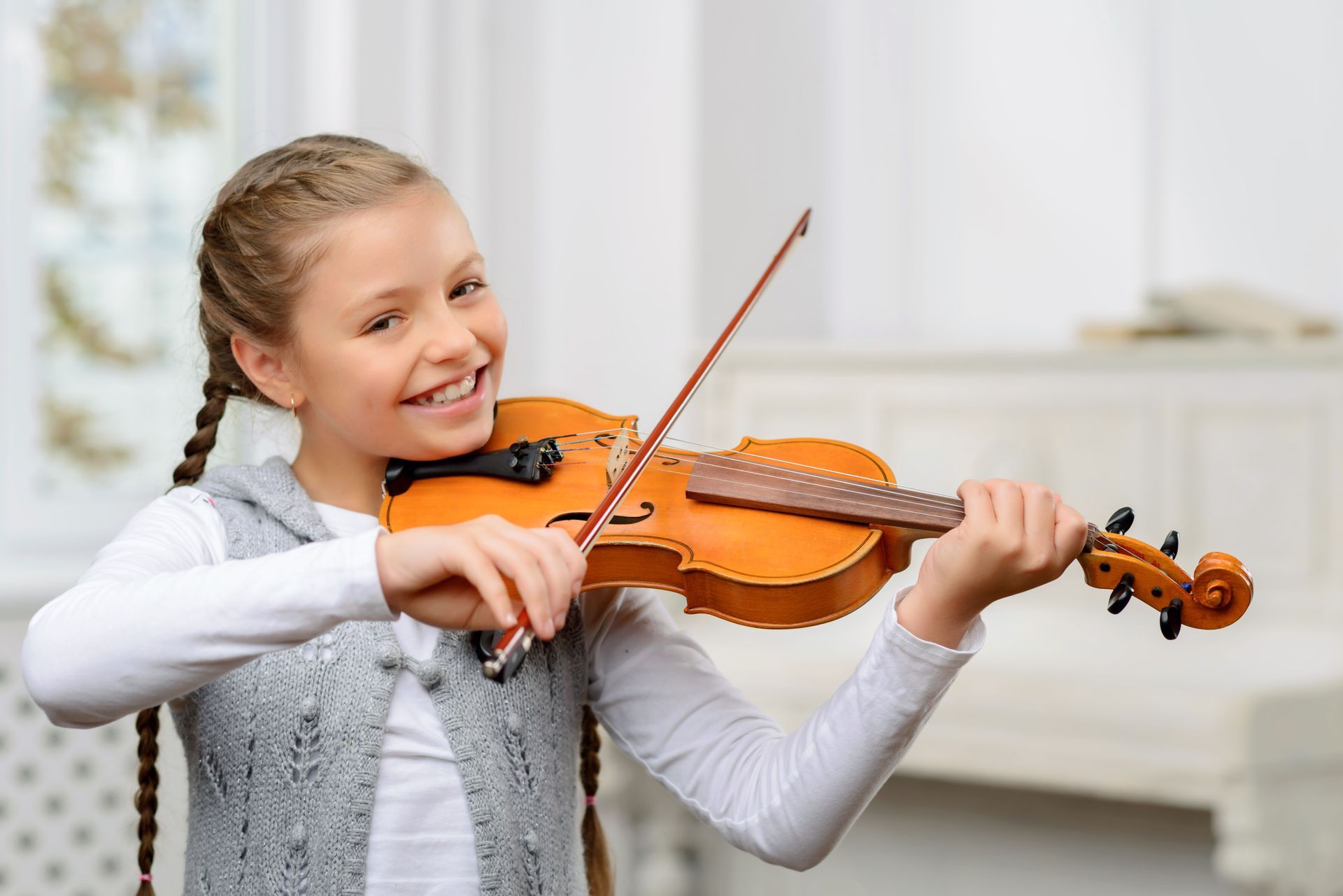
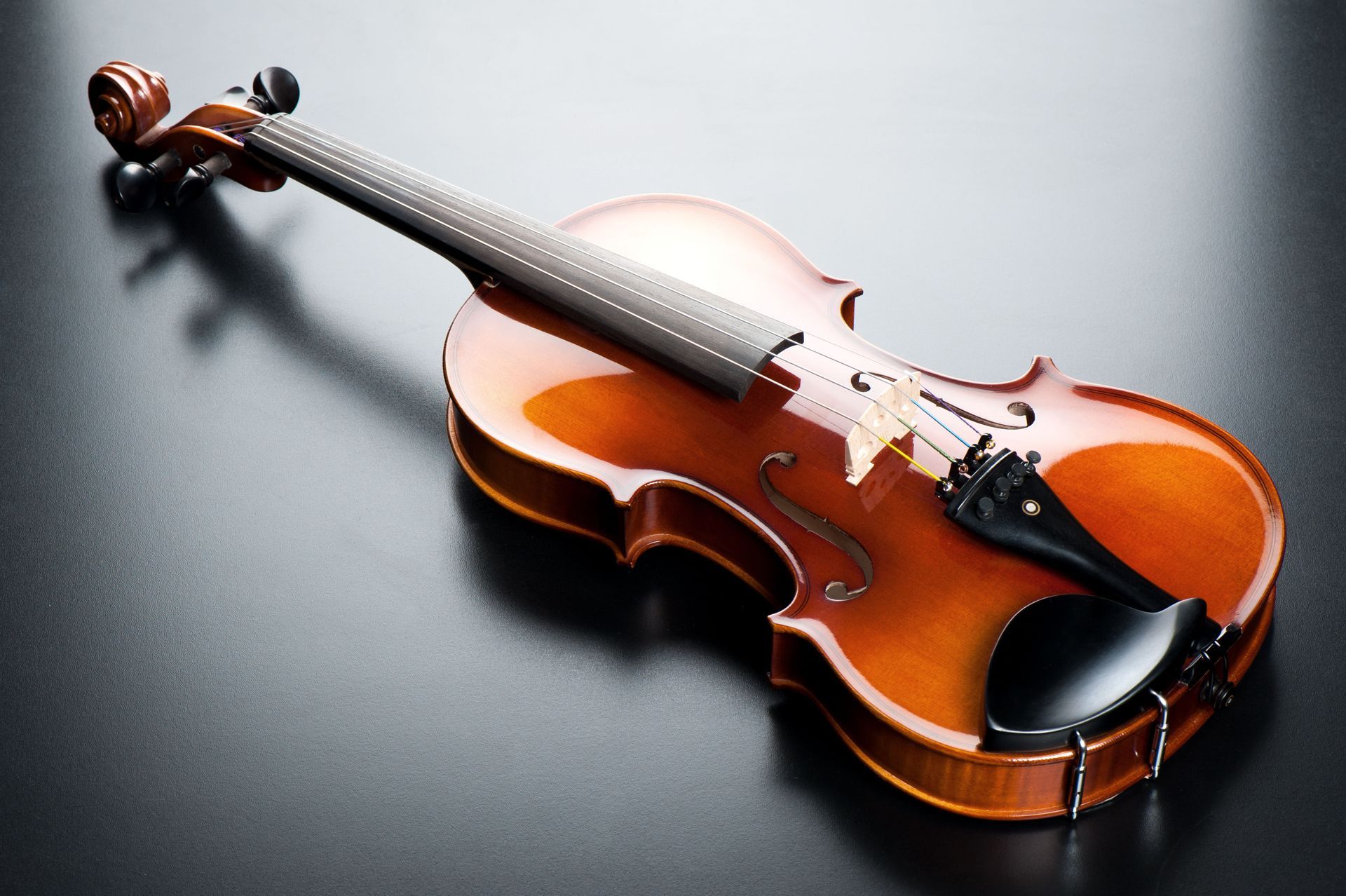
Playing an instrument is a physical feat that requires the synchronization of multiple senses. A pianist must coordinate ten fingers independently while also using their feet for pedals and their eyes to read music. A violinist must master the delicate balance between the pressure of the bow and the placement of the fingers on the fretboard. These actions build incredible fine motor skills and hand-eye coordination. Visiting the local music store to have an instrument professionally adjusted or restrung makes certain that the physical demands of the instrument remain manageable for a growing child.
These physical benefits extend to posture and breathing as well. Wind and brass instruments require significant breath control and core strength, which can improve overall physical health. Seeking professional help to learn proper posture and breathing techniques is vital to avoid injury and maximize the quality of the sound produced. As children grow, their physical relationship with their instrument changes, and the local music store is there to provide the larger sizes or different mouthpieces required to accommodate that growth.
Developing Long-Term Discipline and Focus
The ability to focus on a single task for an extended period is a skill that is becoming increasingly rare. Music lessons demand a high level of concentration. A student must pay attention to pitch, rhythm, dynamics, and articulation all at once. Over time, this practice expands a child's attention span and improves their ability to concentrate on complex tasks in school and later in their careers. The local music store provides the environment where this focus begins, as children learn to value the quality and condition of their instruments and materials.
This discipline is not forced but rather developed through a genuine interest in the craft. When a child is invested in their musical progress, they learn to manage their time effectively to fit in practice sessions. Seeking professional help allows for the setting of clear goals and milestones, which keep the student motivated. The structured nature of music education provides a framework within which a child can learn the value of hard work and the satisfaction of achieving a long-term objective.
Investing in music lessons for a child is an investment in their entire future. The cognitive gains, emotional maturity, and social skills gathered through the study of an instrument provide a foundation for a successful and fulfilling life. From the first visit to a local music store to the final notes of a graduation recital, the journey of musical education is filled with discovery and growth. By seeking professional help and utilizing the resources of the community, parents can provide their children with a gift that lasts a lifetime. If you are ready to start your child on a path of musical discovery, visit our local music store at Krystal Music to find the perfect instrument today.